Glass Micromachining for Research: Methods, Challenges, and Solutions
Glass is everywhere in research laboratories — from microfluidic chips and optical windows to bio‑MEMS devices and precision sensor components. Its optical transparency, chemical inertness, thermal stability, and biocompatibility make it an ideal material for cutting‑edge scientific applications.
However, glass micromachining remains a persistent challenge. Traditional fabrication methods struggle with glass because it is hard, brittle, and prone to micro‑cracks. Researchers often face a frustrating trade‑off: feature resolution versus material integrity.
This guide explains why glass is so valuable in research, the fundamental challenges of machining it, how modern laser‑based methods compare with traditional techniques, and — most importantly — practical solutions using femtosecond laser micromachining.
Why Glass in Research?
Glass is not a single material but a family of materials including borosilicate (e.g., Schott D263, Borofloat 33), fused silica (e.g., Corning 7980, quartz), soda‑lime glass, and specialty glasses like sapphire (crystalline, but often grouped with glass for micromachining purposes).
Researchers choose glass for six key reasons:
| Property | Benefit for Research Applications |
|---|---|
| Optical transparency | Enables real‑time visualisation of fluid flow, cell behaviour, or laser transmission |
| Chemical inertness | Compatible with aggressive solvents, acids, and biological assays |
| Thermal stability | Withstands high‑temperature sterilisation and thermal cycling |
| Low autofluorescence | Critical for fluorescence microscopy and optical detection |
| Biocompatibility | Suitable for cell culture and implantable devices |
| Surface chemistry | Can be functionalised with silanes, antibodies, or other biomolecules |
Common glass‑based research devices:
Microfluidic chips for cell sorting, organ‑on‑a‑chip, and droplet generation
Optical waveguides and photonic devices
MEMS sensors and actuators
Biomedical implant windows
Lab‑on‑a‑chip (LOC) systems
Traditional Glass Micromachining Methods vs. Laser Solutions
Method How It Works Advantages Limitations for Glass CNC Micromilling Rotating diamond or carbide tool removes material No hazardous chemicals; good for prototypes High tool wear; micro‑cracks; limited to >100 µm features; debris contamination Wet Etching (HF) Hydrofluoric acid dissolves unmasked glass Smooth walls; batch processing Extremely hazardous; isotropic etching (undercut); requires photomask; slow Photolithography + Dry Etching Mask pattern + plasma etching Anisotropic; good resolution Expensive equipment; cleanroom required; slow; limited depth CO₂ / Nanosecond Laser Long‑pulse laser vaporises material Maskless; fast Large HAZ (100+ µm); melting and recast; micro‑cracks inevitable in glass Femtosecond Laser Ultrashort pulses ablate before heat diffuses Zero HAZ; no micro‑cracks; sub‑5 µm features; works on transparent glass Higher capital cost; slower per pulse (but often faster overall due to no post‑processing) Conclusion from this comparison: For research applications requiring high precision, no thermal damage, and glass compatibility — femtosecond laser micromachining is the optimal solution.
Specific to Glass Microchannel Fabrication
For laser glass microchannel fabrication, femtosecond lasers offer a unique capability: selective laser etching (SLE). The laser modifies a narrow path inside the glass, followed by a wet etch that removes only the modified region. This produces:
High aspect ratio channels (up to 50:1)
Smooth sidewalls (Ra < 0.3 µm)
Arbitrary 2.5D and 3D geometries
No surface damage at the entry/exit points
No other micromachining method can create true 3D embedded microchannels in glass.
Specific to Micro Drilling Glass
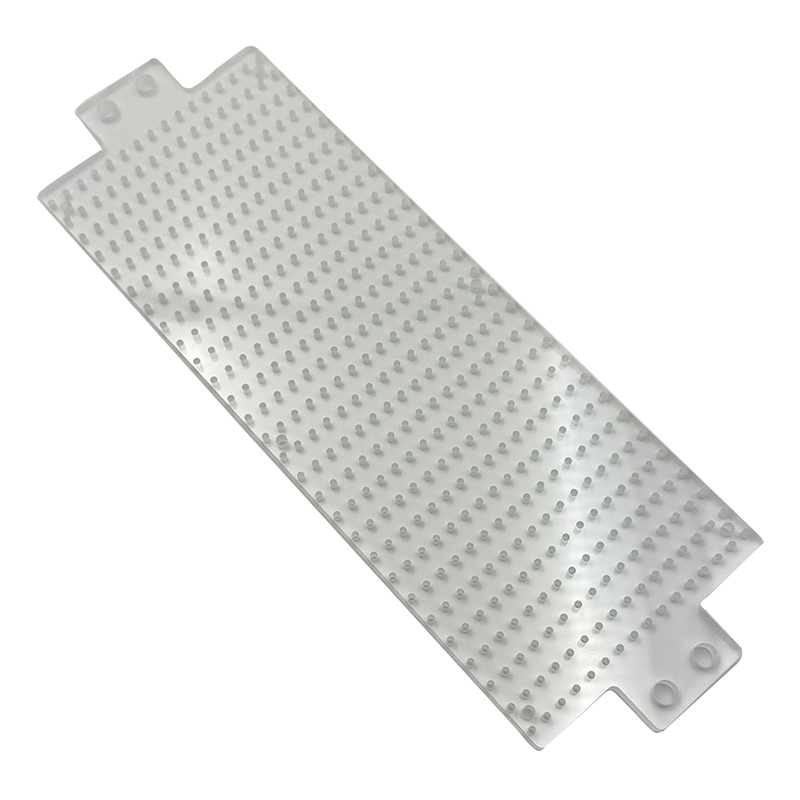
For micro drilling glass, femtosecond lasers achieve:
Minimum diameter: > 5 µm (taper‑controlled)
Maximum aspect ratio: > 20:1
Entry and exit holes without chipping
Taper angle as low as < 1° (with optimised beam delivery)